
ABOUT SABRINA
A story of survival, loss, resilience, and purpose
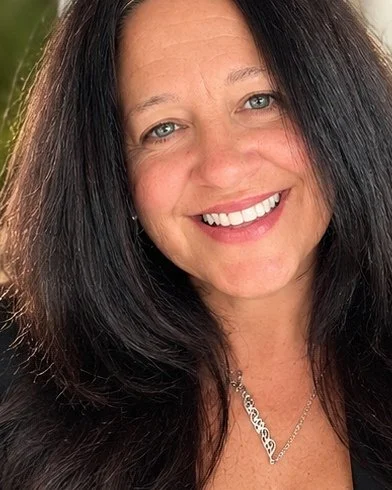
Sabrina Neely is a speaker, author and advocate whose work is rooted in lived experience.
Her story includes surviving domestic violence, navigating trauma and difficult relationships, motherhood, grief, and the devastating loss of her son, Jarrett, to suicide.
For years, Sabrina experienced the kinds of struggles people often keep hidden behind closed doors. Those experiences shaped the way she understands silence, shame, resilience, and the importance of having honest conversations about what people are really carrying.
After losing Jarrett, Sabrina’s life changed in a way she never could have imagined. Grief became part of her story, but so did purpose. She made the decision to speak openly about suicide, mental health, domestic violence, bullying, grief, and the realities of rebuilding a life after profound loss.
Today, Sabrina uses her voice to create conversations that help people feel seen, recognize hidden struggles, challenge stigma, and understand the power of reaching out before someone feels completely alone.
Her message is not that pain disappears. It is that pain can become part of purpose.
Why I Speak
I speak because too many people suffer silently.
I speak because abuse often happens behind closed doors.
I speak because bullying can leave wounds no one else sees.
I speak because suicide changes every life it touches.
I speak because grief deserves honesty.
I speak because one conversation can remind someone that they matter.
My Mission
To use lived experience and honest storytelling to help create stronger, more compassionate communities where people feel safer speaking about mental health, abuse, grief, and the struggles they may otherwise carry alone.